
Blog

What Microsoft Learned From 1,000+ Salesforce Breaches
Microsoft mapped a year of Salesforce breaches at 1,000+ orgs. The 10 fixes security leaders need to act on.
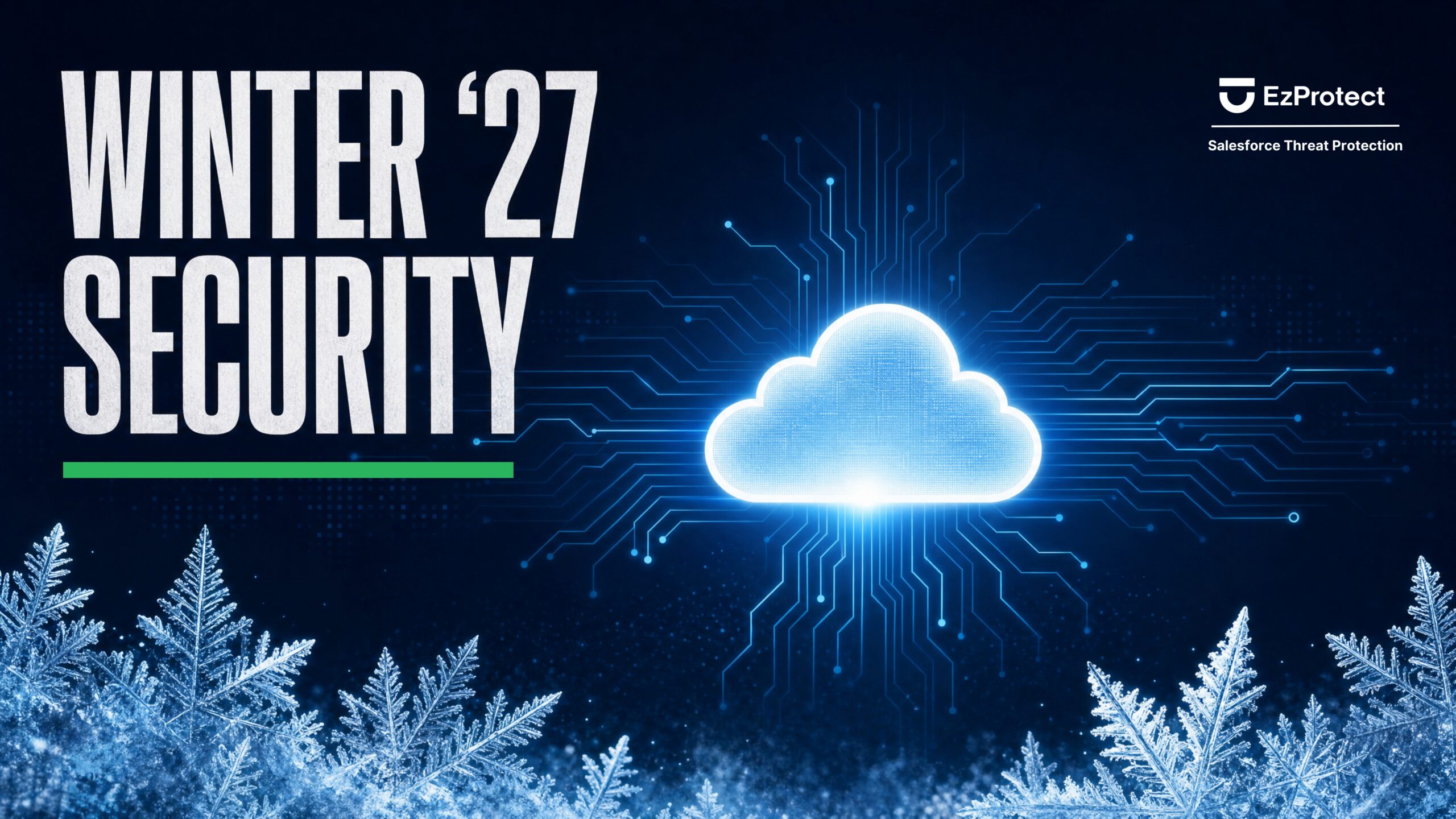
Salesforce Winter ’27: Four Security Enforcements You Need to Prepare For
4 Salesforce Winter '27 security enforcements take effect when your org upgrades. What admins and architects need to prepare.

Salesforce Malware Scanning: Why One Layer Is Not Enough
Salesforce file scanning is a check box. See what it skips and the 5 detection layers your actually org needs to catch digital threats.

Salesforce Phishing: The URLs Native Scanning Never Blocks
Salesforce file scanning is a check box. See what it skips and the 5 detection layers your actually org needs to catch digital threats.

What to Check in Your Salesforce Org After the Klue Data Breach
How to secure Salesforce Experience Cloud with 7 actions including: guest user access, the data model, knowledge leaks, and AI-generated code.

7 Actions Salesforce Teams Should Take to Secure Experience Cloud
How to secure Salesforce Experience Cloud with 7 actions including: guest user access, the data model, knowledge leaks, and AI-generated code.

How Did ShinyHunters Steal 600,000 Salesforce Records from 7-Eleven, and What Should Your Org Learn from It?
How ShinyHunters exploited a single Salesforce guest user permission to steal 600K records from 7-Eleven and what your org should do this week.

The First 24 Hours After a Salesforce Breach: An Admin’s Response Plan
A Salesforce admin's hour-by-hour plan for the first 24 hours after a breach, from detection and OAuth containment through recovery, plus a readiness checklist.
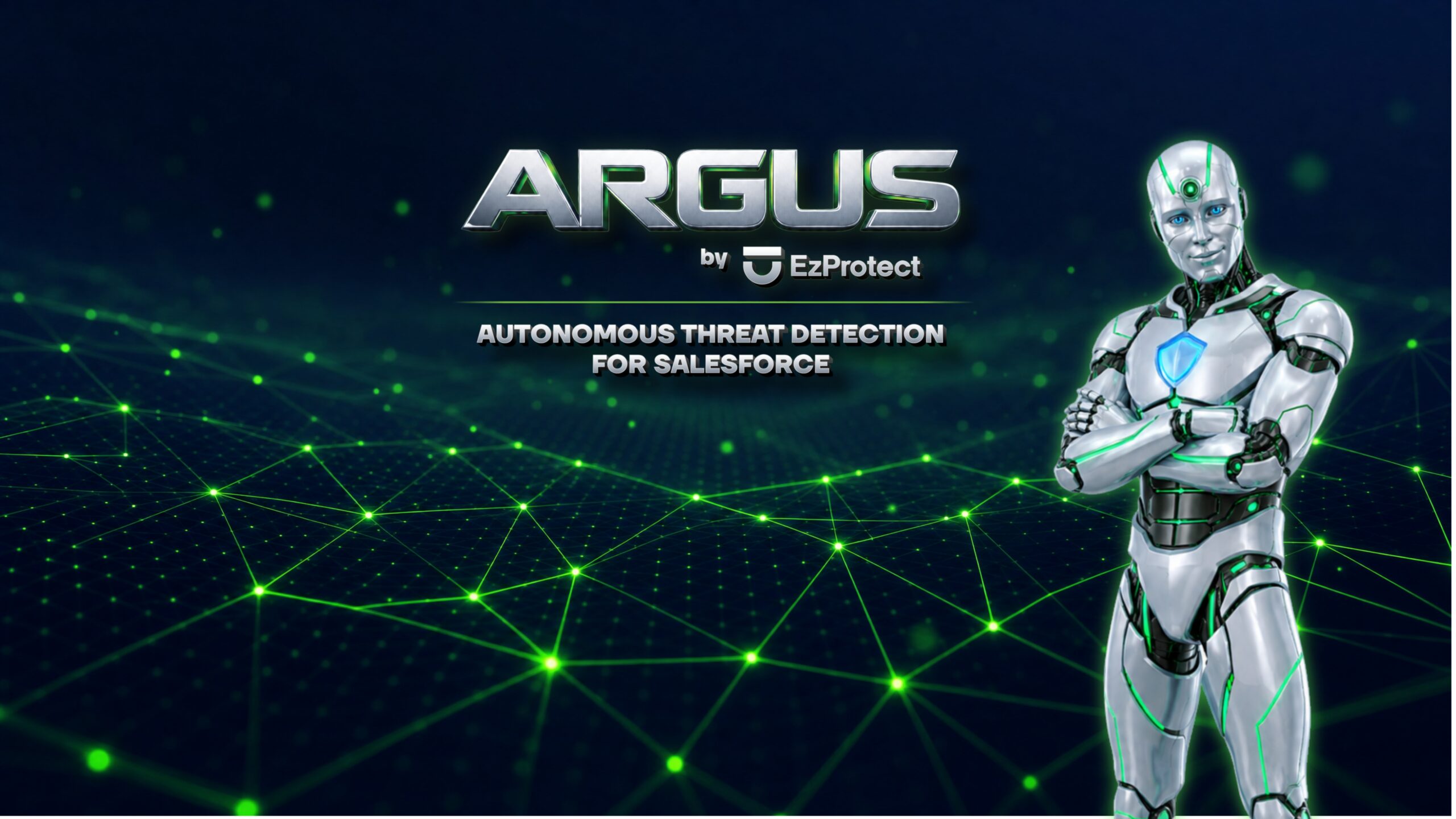
EzProtect Launches Argus: Closing the 241-Day Accountability Gap Between Detection and Resolution in Salesforce
EzProtect launches Argus, the autonomous incident response platform making Salesforce the safest place for enterprise data. Named ownership at every step.